when it comes to creating a successful e-commerce website, there are several essential pages that you need to include. These pages not only help to improve the user experience but also provide important information to your customers. In this article, we will discuss the 13 essential pages that every e-commerce website should have.
1. Home Page
The home page is the first page that visitors see when they land on your website. It’s essential to make a good impression with a visually appealing design that showcases your products and promotions. The home page should include;
– Product showcases: Highlight your best-selling products or featured collections.
– Promotions and offers: Display any ongoing promotions, discounts, or special offers.
– Navigation: Make it easy for visitors to find what they’re looking for with clear navigation menus.

2. Product Pages
Product pages are where customers can find detailed information about your products. These pages should include:
– High-quality product images: Showcase your products from different angles with high-quality images.
– Product descriptions: Provide detailed descriptions of your products, including features, benefits, and specifications.
– Pricing and availability: Display the price and availability of the product.

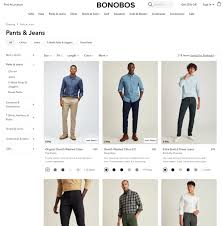
3. Category Pages
Category pages help customers find products that are related to each other. These pages should include:
– Product listings: Display a list of products that belong to the same category.
– Filtering and sorting options: Allow customers to filter and sort products based on price, brand, and other criteria.
4. About Page
The about page is where you can tell your brand’s story and mission. This page should include:
– Brand history: Share the story of how your brand was founded and its mission.
– Values and principles: Outline your brand’s values and principles.
– Team profiles: Introduce your team members and their roles.
5. Contact Page
The contact page is where customers can find contact information and support options. This page should include:
– Contact form: Provide a contact form that customers can use to send messages or inquiries.
– Phone number and email address: Display your phone number and email address.
– Physical address: Provide your physical address, if applicable.
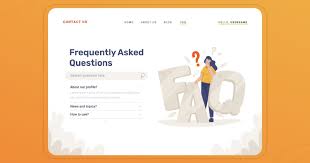
6. FAQ Page
The FAQ page is where you can answer frequently asked questions about your products or services. This page should include:
– Common questions: Answer common questions that customers may have about your products or services.
– Clear and concise answers: Provide clear and concise answers to each question.
7. Blog
A blog is a great way to showcase articles and news related to your brand or industry. This page should include:
– Article listings: Display a list of articles with summaries and links to read more.
– Categories and tags: Allow customers to filter articles by category or tag.
8. Testimonials
Testimonials are a great way to showcase customer reviews and ratings. This page should include:
– Customer reviews: Display customer reviews and ratings for your products or services.
– Photos and videos: Include photos or videos of customers using your products.
9. Cart and Checkout Pages
The cart and checkout pages are where customers can review their orders and complete their purchases. These pages should include:
– Order summary: Display a summary of the customer’s order, including products and totals.
– Payment options: Provide payment options, such as credit cards or PayPal.
– Shipping options: Offer shipping options, such as standard or expedited shipping.

10. Search Bar
A search bar is a feature that allows customers to search for products on your website. This feature should include:
– Autocomplete suggestions: Provide autocomplete suggestions as customers type in their search queries.
– Search results: Display search results with product images and descriptions.
11. 404 Page
A 404 page is a page that appears when a customer tries to access a non-existent page. This page should include:
– Error message: Display an error message that explains the page cannot be found.
– Links to other pages: Provide links to other pages on your website.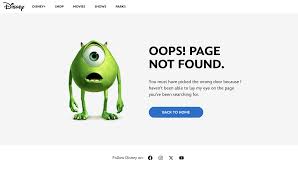
12. Terms and Conditions Page
The terms and conditions page outlines the website’s policies and terms. This page should include:
– Terms of service: Outline the terms of service for using your website.
– Refund and return policies: Explain your refund and return policies.
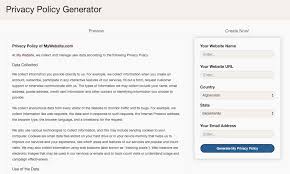
13. Privacy Policy Page
The privacy policy page outlines how customer data is collected and used. This page should include:
– Data collection: Explain how customer data is collected and used.
– Data protection: Outline measures taken to protect customer data